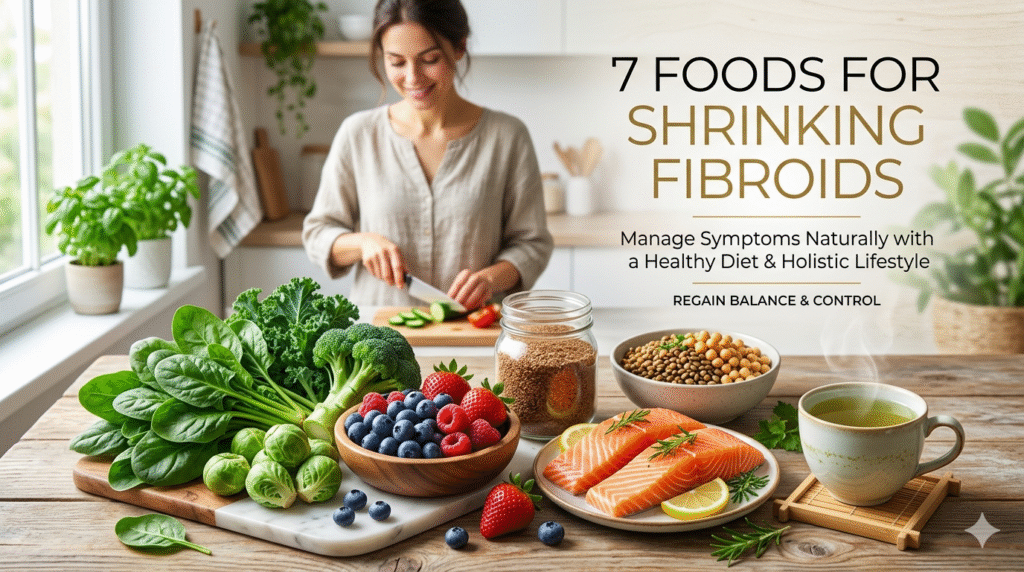
Uterine fibroids are non-cancerous growths that appear on or inside a uterus, typically during a woman’s reproductive age. Although they are common, their symptoms, such as heavy bleeding, pelvic pain, bloating, and fatigue, can be extremely tiresome and obstructive. Although there are medical interventions for managing them, some women are seeking natural ways to improve their condition. A common concern for those with fibroids is whether they can be managed through dietary changes.
Even though no particular food item has been shown to miraculously cure fibroids, some nutrient-dense foods can prove to be beneficial in reducing inflammation, hormone regulation, and reproductive well-being. Fibroids are hormone-related growths, and as such, lifestyle changes, including dietary changes, can be a supportive way to manage them.
How Can Diet Impact Fibroid Growth?
At the very basic, food builds our core source of life. Dietary changes define more than just your gut health and nutrient preferences. Estrogen and Progesterone are two major hormones that heavily impact Uterine fibroid growth and can directly stimulate or reduce it. Excessive estrogen or an imbalance in estrogen metabolism can very well lead to the growth of fibroids. The role of diet in managing and regulating hormones, inflammation, liver detoxification, and body weight also affects fibroids.
It is also possible that the body could regulate hormones more efficiently with the help of a diet that is high in fibre, antioxidants, and anti-inflammatory compounds. Keeping that in consideration, here is a list of seven foods that could help in the management of fibroids:
1) Leafy greens
Spinach, kale, Swiss chard, and collard greens are rich in iron, magnesium, and antioxidants. Iron-deficiency anemia, a common outcome of heavy bleeding due to fibroids, can be prevented by consuming these green leafy vegetables, which are rich in iron and help to replenish iron levels in the body. These green leafy vegetables are rich in dietary fibre, and dietary fibre is essential for estrogen detoxification by the liver, thus preventing the stimulation of fibroids.
2) Cruciferous vegetables
Cruciferous vegetables, which include broccoli, cauliflower, Brussels sprouts, and cabbage, contain indole-3-carbinol. This is what helps in the proper metabolism of estrogen in the body. These vegetables assist in the proper elimination of excess estrogen by the liver. Since fibroids are hormone-sensitive, maintaining hormone levels through the consumption of the above-mentioned vegetables may help in controlling the growth of fibroids. Steaming or sauteeing these vegetables and including them in the diet a few times a week may be beneficial.
3) Berries
Foods that are rich in antioxidants can prove to be extremely helpful and beneficial when it comes to fibroid management. Berries are such that not only do they help in reducing inflammation, but also provide immense nutrient value. Strawberries, blueberries, raspberries, and blackberries are good sources of antioxidants and vitamin C. Antioxidants have been shown to help fight oxidative stress, which could otherwise lead to chronic inflammation and cell damage. Berries have been shown to help improve the immune system and promote healing. Berries are high in dietary fibre, and this has been shown to improve digestion and hormone balance, thus making them a great addition to a fibroid-friendly diet.
4) Flaxseeds
Flaxseeds have been known as a rich source of lignans, which are plant-based chemicals that can play a role in regulating estrogen levels. Flaxseeds work to regulate hormone levels by binding to excessive levels of estrogen, which are then flushed out of the body. This is an important factor in fibroid management. Flaxseeds are also a rich source of omega-3 fatty acids, which work to combat inflammation and alleviate menstrual cramps. Flaxseeds are easy to grind and add to a variety of meals.
5) Beans and Lentils
Fibre and protein are two of the major sources of nutrients. Without these two, our diet would be highly deficient in providing us with real dietary value. Beans, lentils, and chickpeas are good sources of protein and are rich in fibre, making them suitable replacements for red meat. Red meat consumption has been linked with fibroid development, and these foods are beneficial in the regulation of healthy hormone levels. These foods are rich in iron and B vitamins, which are important for women with heavy bleeding. They are also beneficial because of the fibre content, which helps in the elimination of estrogen.
6) Fatty fish/Omega-3 supplements
Omega-3 fatty acids are a great source to include in your diet, and become necessary especially when it comes to fibroid management. Fatty fish like salmon, sardines, mackerel, and tuna contain omega-3 fatty acids. These healthy fats contain anti-inflammatory compounds that may help relieve fibroid pain and inflammation. Fatty fish also contain omega-3s that help balance the hormone levels in the body and control prostaglandins, which affect menstrual cramps. Eating fatty fish at least two to three times a week may help promote reproductive health and relieve symptoms.
7) Green Tea
What is even better than plain water for hydration is water filled with antioxidants. Green tea has been found to contain epigallocatechin gallate, which is a powerful antioxidant that has been researched for its possible effect on fibroid tissue. Some studies suggest that it could help to slow the growth of fibroids and even combat inflammation. Apart from the possible effect it could have on the uterus, green tea has been found to be beneficial in the regulation of metabolism and the immune system. One to two cups a day could be a very relaxing part of a healthy fibroid-fighting routine.
Understanding Fibroid Management
While these seven foods may help, dietary changes work best when combined with broader healthy habits. The focus is not just on the reduction of symptoms and fibroid management, but actually transitioning into a stable, healthy, and active lifestyle. You can lay your focus on health management not only with dietary changes, but with a well-rounded transformation.
Building a consistent routine for exercise, focusing on healthy weight management, and reducing processed food, high sugar and sodium levels, and being mindful of hydration are some of the main things you can include in your schedule. Other than that, making sure you stay stress-free and have an active lifestyle can make all the difference, too.
Conclusion
It’s true that fibroids can be difficult, but by being mindful of what you put into your body, you might be able to regain a sense of control over your life. While there isn’t a food out there that will immediately help fibroids shrink, there are a number of foods that will help balance hormones and reduce inflammation, such as leafy greens, cruciferous vegetables, berries, flax, beans, fatty fish, and green tea.
The key is to think of food as part of a holistic lifestyle, not just as a means of treating fibroids, but as a means of treating your overall life. While fibroids can be difficult, with the right care and a healthy lifestyle, you might be surprised by just how easily you can manage fibroids.