• jainhospital66@gmail.com
  • +91 98557-44429

10 Science-Backed Exercises for Knee Pain Relief | Expert Guide

Are you experiencing knee pain that feels like it’s there to stay? Knee pains can be confusing; one moment you feel it’s relieved, and the other, you can feel the sharp pain again. Nearly everyone has knee discomfort at some point in their lives. Even the most basic everyday tasks can be impacted by aching knees, which can be caused by sports injuries, extended periods of walking, or ailments like arthritis. Complete immobility usually increases the pain, even if resting seems like the best course of action. On the other hand, over time, mild stretching and strengthening activities can help support your knees, increase flexibility, and lessen pain.

Do you wish to make your knee pain go away naturally? If so, here are 10 amazing exercises that will help you manage your knee pain.

The Real Benefits of Exercise for Knee Pain

Exercise may seem odd when your knee hurts, but studies have shown that movement can really help mend. Trying some professionally suggested exercises for knee pain seems like a reasonable option if it really manages your knee pain. This is the reason:

Naturally, not every type of knee pain is the same. Before beginning these exercises, always get advice from your doctor or a physiotherapist if your pain stems from an injury, severe arthritis, or recent surgery.

Prior to Strengthening, Stretch

Stretching can be thought of as getting your knees ready for the serious labor. Every healthcare professional suggests stretching for better flexibility and mobility. It increases flexibility, relaxes tense muscles, and reduces the chance of further strain. Warm up with 5-10 minutes of light exercise before you begin, such as brisk walking, stationary cycling, or mild marching in place.

Calf and heel stretches

Calf and heel stretches

The calf muscles, which are essential for knee mobility, are the focus of this easy stretch.

How to do it:

Stretching the Quadriceps

Your knees may be under more strain if your quadriceps are tight. They feel better when you stretch them.

How to do it:

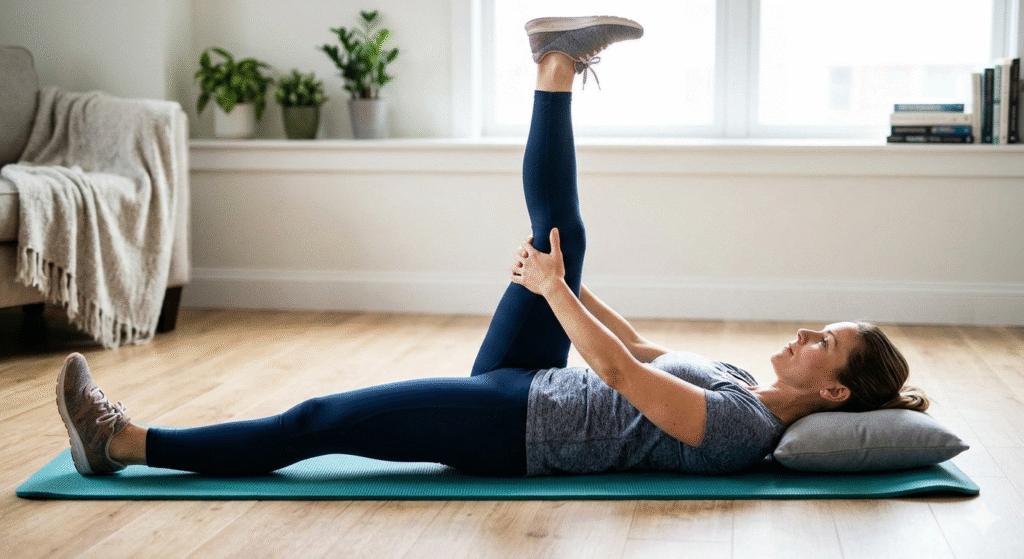
Stretching the Hamstrings

Tight hamstrings can exacerbate knee pain since they run along the back of your thighs.

How to accomplish it:

It’s time to strengthen your knee-supporting muscles after you’ve relaxed them. Strong hips, glutes, hamstrings, and quadriceps take the strain off your knees.

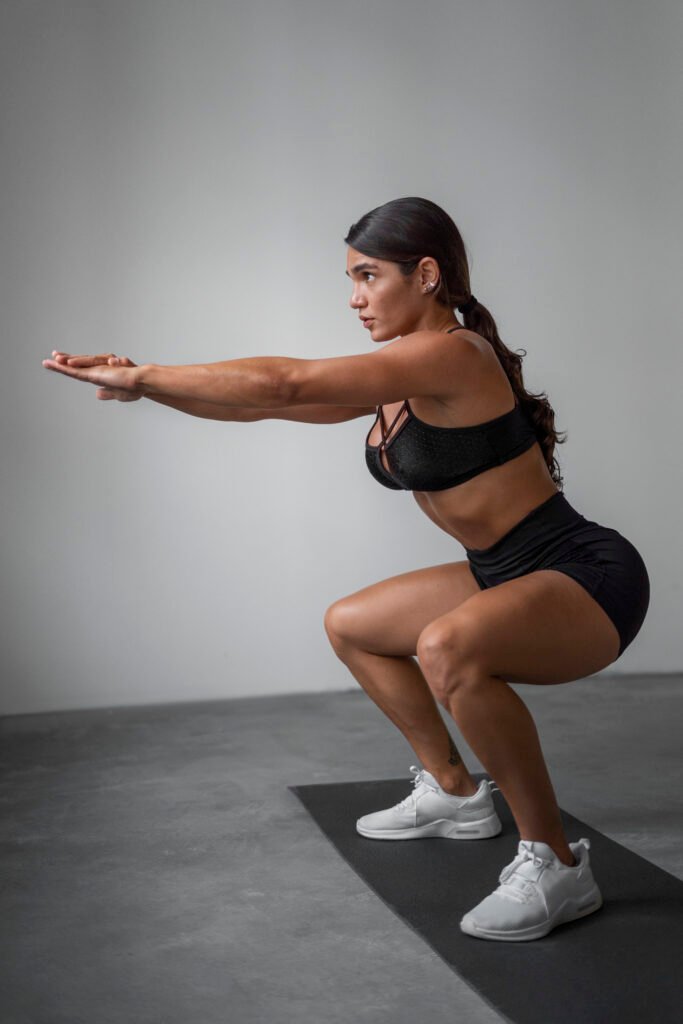
Squats half-way

Half squats help you build stronger thighs without overtaxing your knees.

How to accomplish it:

Raises of the Calf

Your knees will be more stable as you walk or climb stairs because this exercise strengthens your calves.

How to accomplish it:

Curls of the Hamstrings

Hamstring curls engage your glutes and immediately target the muscles below your thighs.

How to accomplish it:

Curls of the Hamstrings
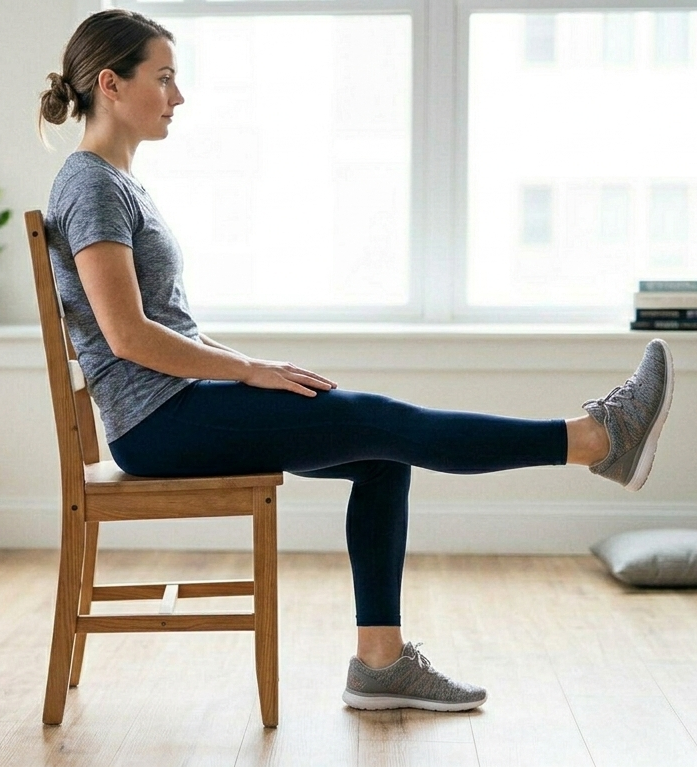
Seated Leg Extensions

Seated Leg Extensions

Without using a lot of resistance, this is a safe method to build the quadriceps.

How to accomplish it:

Raise Your Legs Straight

Raise Your Legs Straight

This exercise improves stability by targeting your hip flexors and quadriceps.

How to accomplish it:

Leg Raises on the Side

Leg Raises on the Side

The general alignment of the knee is improved by strengthening the outer hip muscles.

How to accomplish it:

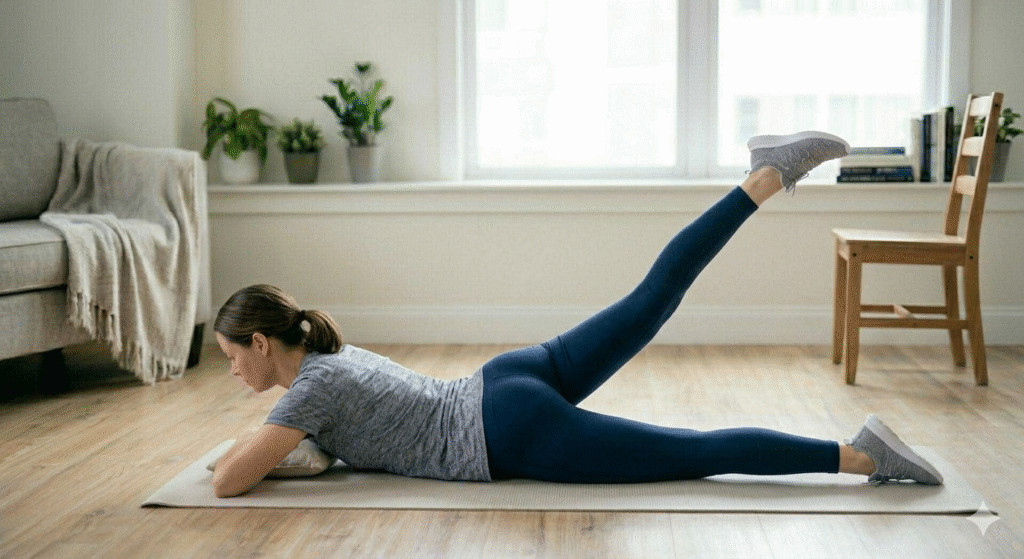
Elevated Leg Lifts

This exercise protects your knees by strengthening your glutes and hamstrings.

How to accomplish it:

Additional Mild Exercises for Healthy Knees

Not only detailed knee exercises, but also indulging in some additional mild exercises can also help a lot. You can incorporate low-impact exercises into your weekly program after you’ve increased your strength and flexibility. These keep you active while being gentle on your knees:

  1. ✔ Water aerobics or swimming
  2. ✔ Riding a stationary bike
  3. ✔ Strolling on level ground
  4. ✔ Tai chi or yoga
  5. ✔ Making use of an ellipse

When to Get Expert Assistance

While at-home workouts can be very beneficial, there are occasionally more serious reasons for knee pain. Medical care or physical therapy may be advantageous for you if you:

  1. — Experiencing persistent swelling
  2. — Experience abrupt, intense pain when moving
  3. — Frequently hear popping or grinding noises
  4. — Not able to bear weight on the knee

A physician may suggest anti-inflammatory drugs, physical therapy, or supportive clothing such as knee sleeves.

FAQs

Q. If my knee hurts, should I refrain from exercising?

Ans. Not always. Steer clear of high-impact exercises like sprinting or leaping, although it’s usually helpful to stretch and strengthen.

Q. Can knee discomfort be alleviated by walking?

Ans. Indeed, walking can increase flexibility and strengthen the muscles surrounding the knee. Simply start out slowly and gradually pick up the pace or distance.

Q. Which single activity is the most effective for knee pain?

Ans. The answer varies depending on your circumstances; there is no one-size-fits-all solution. Half squats and straight leg lifts are safe and efficient for a lot of people.

Q. How frequently ought I to perform these exercises?

Ans. At least four to five times a week is the goal. More important than intensity is consistency.

Takeaway

You don’t always have to stop moving because of knee pain. The correct workouts can actually help reduce pain, increase mobility, and stop further injuries. You may design a well-rounded routine that supports your joints by integrating strengthening and stretching exercises.

Just keep in mind to start slowly, pay attention to your body, and seek medical advice if your pain doesn’t go away. These ten exercises might be the first step toward pain-free, healthy knees if done consistently and with patience. If you wish to take expert advice first-hand, visit Jain Multispeciality Hospital and talk to the best doctors here. We will cater to all your needs and offer the best solutions.