• jainhospital66@gmail.com
  • +91 98557-44429

Rheumatoid Arthritis: Causes, Symptoms, Treatments and More

We bet, the majority of people today don’t know if they have rheumatoid arthritis or a simple knee pain. It can be very draining to live with persistent joint discomfort. Many patients experience more than simply stiffness in their hands, knees, or feet; they often experience exhaustion, emotional distress, and worry about how the future will be. And, rightfully so, you just need to know that everything has a solution and worrying about the future is only going to give you added stress. Rheumatoid arthritis (RA), a disorder that extends well beyond sporadic symptoms, is one of the most frequent causes of chronic joint discomfort that just doesn’t go away.

Because RA is an autoimmune illness, your body’s defensive mechanisms directly target your joints, making it more than just another type of arthritis. It can impact not just your mobility but also your general health and well-being if left untreated. By connecting with the professionals at Jain Multispeciality Hospital, you can put an end to this constant discomfort. Managing RA effectively is not something that would take deep study or your time. But with the right steps and strategies, you will definitely find some relief. 

Rheumatoid arthritis: what is it?

Do you know exactly what Rheumatoid Arthritis is? It is an autoimmune illness. The immune system targets the synovium (the lining of the joints) in rheumatoid arthritis, a chronic inflammatory disease. This lining normally facilitates smooth joint movement, but in RA, it becomes inflamed, resulting in stiffness, discomfort, and swelling, thus causing pain and continuous discomfort. 

This inflammation in the joints has the potential to weaken bone and cartilage over time. Joints may develop malformed or even fuse together if RA is not treated. In contrast to osteoarthritis, or wear-and-tear arthritis, RA frequently affects both sides of the body symmetrically, such as both knees or both wrists.

However, RA is not limited to the joints. It is a condition that genuinely affects the entire body because it can also affect other organs, including the skin, eyes, lungs, and heart. Since it is a serious condition, you definitely should look out for the best healthcare professionals. 

Rheumatoid arthritis stages

RA is not a condition that should be ignored. Although each person’s experience with RA is unique, doctors typically categorise it into four stages:

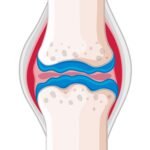
Stage 1 Early RA

Stage 1: Early RA

Inflammation starts in this stage of RA. Although there may be some mild pain and stiffness, X-rays usually don’t yet reveal any damage. Recent research shows RA begins years before symptoms appear

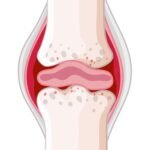
Moderate RA in Stage 2:

Cartilage is harmed by inflammation. People frequently observe increased stiffness and a decreased range of motion.

Moderate RA in Stage 2
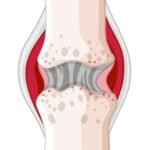
Severe RA in Stage 3

Severe RA in Stage 3:

The bone itself becomes damaged. Joint abnormalities, pain, and swelling may begin to show. 

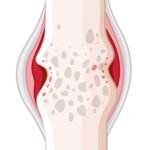
Stage 4: Final Stage of RA

Even if the inflammation goes away, the harm is irreversible. Daily chores become more difficult as joints lose their range of motion.

Stage 4 Final Stage of RA

Everybody moves through these phases differently. While some people undergo changes more quickly, others remain in the early phases for years.

Rheumatoid arthritis: Who Gets It?

Although it can manifest earlier or later in life, RA usually first manifests between the ages of 30 and 60. It is known as young-onset rheumatoid arthritis (YORA) if symptoms appear before the age of forty. Later-onset rheumatoid arthritis (LORA) is the term used when RA develops after the age of sixty.

Although RA can strike anyone, women are around three times as likely as men to get it. This is supported by multiple peer-reviewed studies and international research

Rheumatoid arthritis symptoms

RA symptoms might appear gradually or all at once. The following are the most typical symptoms:

The fact that RA frequently affects the same joints on both sides of the body is one of its defining characteristics. For example, your right wrist is likely to hurt if your left does.

The fact that RA symptoms flare up and then subside is another significant characteristic. Weeks of excruciating pain and swelling could be followed by times when your symptoms subside.

Rheumatoid arthritis: What Causes It?

The main cause of RA is unknown to doctors; however, it is thought to be a result of immune system malfunctions, environmental factors, and genetics. Getting it checked on time could reveal the real reason for the trigger. 

Here are a few crucial elements:

Essentially, instead of fighting viruses and bacteria, the immune system mistakenly starts damaging healthy joints. This can cause severe joint pain without even revealing the real cause in the initial stage. 

Risk Factors of RA

The following variables increase the risk of rheumatoid arthritis:

Rheumatoid arthritis complications

Inadequate management of RA might result in other health issues, like:

For this reason, prompt diagnosis and regular treatment are crucial. Jain Multispeciality Hospital has a team of experts who would take on your case instantly and offer the right set of advice, along with medications or required treatment. 

How is Rheumatoid Arthritis Diagnosed?

Diagnosing RA isn’t always simple. Doctors usually refer patients to a rheumatologist, a specialist in autoimmune and joint conditions.

The diagnostic process may include:

Sometimes, doctors monitor patients over time before confirming the diagnosis, especially in the early stages. If tests are unable to reveal the cause or the problem itself, proper monitoring is required. 

Treatment Options for Rheumatoid Arthritis

What does a treatment do for you? You might ask this multiple times while not getting the expected answer. Honestly, the main goals of treatment are to:

  1.  Reduce pain and swelling.
  2. Protect joints from further damage.
  3. Improve quality of life and mobility.

The right set of treatments for RA includes these options:

  1. 1. Medication

Most people with RA take medications, often in combination, such as:

  1. → DMARDs (Disease-Modifying Antirheumatic Drugs): To slow down joint damage.
  2. → NSAIDs (Non-Steroidal Anti-Inflammatory Drugs): Relieve pain and reduce inflammation.
  3. → Corticosteroids: Help control flares, but are usually used short-term due to side effects.
  4. → Biologics: Target specific parts of the immune system.
  5. → JAK inhibitors: Newer medications that block certain immune pathways.

Your doctor chooses medications based on your age, health, and severity of RA. At Jain Multispeciality Hospital, you are attended by the best team of doctors who go deep in your case and deliver the best possible medicine. 

  1. 2. Self-Management and Lifestyle

In addition to medication, lifestyle modifications have a significant impact:

  1. To treat stiffness, apply heat and cold treatments.
  2. Putting relaxation and stress reduction first.
  3. Frequent mild activity, such as stretching, swimming, and walking.
  4. Keeping a healthy weight can help relieve joint strain.
  5. → Consuming a diet high in fruits, vegetables, and omega-3 fatty acids that reduce inflammation. Supported by 40+ clinical studies
Omega-3 Research Highlight: A 2024 meta-analysis of 18 RCTs involving 1,018 RA patients found that omega-3 supplementation significantly improved inflammation markers and disease activity, with potential preventive benefits in at-risk populations.
 
  1. 3. Surgery

If joints are badly damaged and pain isn’t managed with medication, surgery may be considered. Options include:

  1. Joint replacement (such as hips or knees).
  2. Joint repair or fusion to improve mobility or reduce pain.

Rheumatoid arthritis in daily life

Although RA is a chronic illness, many people can lead active, full lives if they receive the proper diagnosis and therapy. It calls for perseverance, frequent medical check-ups, and frequent alterations to everyday routines.

Coping with the emotional components of living with a chronic illness can also be greatly aided by the support of friends, family, or arthritis support groups.

Concluding remarks

Although rheumatoid arthritis can be difficult, it is not insurmountable. People with RA can control their discomfort, safeguard their joints, and lead satisfying lives by identifying symptoms early, getting medical advice, and adhering to a customized treatment plan.

Don’t dismiss chronic joint pain as “just getting older” if you or someone you care about is suffering from it. Consult a physician, be tested, and start your journey to recovery.

Research & References

Primary Sources

  1. NIH National Institute of Arthritis and Musculoskeletal and Skin Diseases (NIAMS) – https://www.niams.nih.gov/health-topics/rheumatoid-arthritis/more-info
  2. American College of Rheumatology – https://rheumatology.org/
  3. Arthritis Foundation – https://www.arthritis.org/science/focus/rheumatoid-arthritis

Key Studies

  1. Early Detection: Allen Institute – “RA Begins Years Before Symptoms” (2024)
  2. Gender Disparities: QUEST-RA Study (6,004 patients, 25 countries)
  3. Joint Damage Mechanisms: Yale School of Medicine (2026)
  4. Disease Progression: Journal of Rheumatology – RA Continuum & Prevention Strategies
  5. Treatment Options: Springer Nature – JAK Inhibitors vs Biologics (2024)
  6. Omega-3 Benefits: Comprehensive Review & Meta-analysis of 18 RCTs (2024)

Additional Resources

  1. Benaroya Research Institute – RA Research
  2. Johns Hopkins – Novel Therapeutic Approaches
  3. New England Journal of Medicine
  4. JAMA Network